
Caswell County Criminal Court Records
A criminal court record is the court case file, not just the first accusation. In Caswell County, criminal case information may begin with a warrant, citation, magistrate order, criminal summons, indictment, or other charging document. Once the court file exists, the record can track arraignment, counsel, hearings, motions, pleas, trial settings, verdicts, dismissals, judgments, sentencing, probation, restitution, fines, costs, and later compliance events.
North Carolina's trial courts divide criminal work by case level. Superior Court handles all felony cases and misdemeanor or infraction appeals from District Court. District Court handles misdemeanors and infractions, generally without jury trials at that level. Magistrates can issue arrest warrants, set bail, accept some minor pleas and waivers, and handle first-stage criminal process. The full case file and final outcome belong in the court record rather than the arrest record.
The Caswell County Judicial Branch page, the Caswell County Courthouse page, and the Caswell court contact directory are the local court sources for clerk and courtroom contacts. Sheriff Tony Durden's sheriff office page is relevant to arrest and detention records, but it does not replace the Clerk of Superior Court's criminal case file.
Search Caswell County Criminal Cases
Criminal case lookup starts with eCourts Portal Smart Search. Search by case number when possible, or use defendant name fields and Caswell County as the location filter. Smart Search can show case numbers, parties, case status, file dates, hearings, and visible public docket information. It may not show every document, and some items may require registered or elevated access.
- Open Smart Search and use the criminal case number or defendant name.
- Select Caswell County in the location filter when narrowing a statewide search.
- Review the case type, file date, party name, and status before relying on a match.
- Read the docket events for hearings, motions, plea entries, disposition, judgment, and sentencing information.
- Request certified copies or a certified single-county criminal search from the Clerk of Superior Court when needed.
The Judicial Branch records guidance points users to clerk offices for paper files, copies, audio recordings, transcripts, and divorce judgments. Criminal background checks are a separate clerk-issued service and should not be replaced with a casual Portal lookup.
Caswell County Criminal Case Flow
A criminal court record should be read in sequence. Early entries identify the charge and court level. Later entries show whether the defendant appeared, whether counsel was appointed or retained, what motions were filed, what plea was entered, and how the court resolved each count. A felony case may begin in District Court for initial matters and later move through Superior Court after indictment or other required proceedings.
Case flow: Charges Filed › First Appearance or Arraignment › Pretrial and Motions › Plea or Trial › Disposition › Sentencing
| Stage | What the Criminal Court Record May Show |
|---|---|
| Charges Filed | Offense description, statute, count number, charging document, citation, warrant, or indictment reference. |
| First Appearance or Arraignment | Initial court setting, bond conditions, counsel status, and plea or status handling when listed. |
| Pretrial and Motions | Continuances, discovery issues, suppression motions, bond changes, and other court events. |
| Plea or Trial | Guilty plea, not guilty plea, verdict, dismissal, acquittal, or trial result for each charge. |
| Sentencing | Judgment, probation, active sentence, suspended sentence, restitution, costs, fines, or other obligations. |
What Caswell County Criminal Records Show
Criminal court records contain structured fields that identify the person, the case, and each court event. The record may include charge information and sentence information, but the presence of a charge is not proof of conviction. Read the disposition for each count and note whether a charge was dismissed, amended, reduced, or resolved by plea or verdict.
| Field | What It Shows |
|---|---|
| Case Number | The North Carolina court identifier, often using a year and case-class letters such as CR for criminal matters. |
| Defendant | The accused person and identifying details that are public in the court file. |
| Charges | Offense descriptions, statutes, classifications, count numbers, citation or warrant links, and charge status. |
| Hearings | Court dates, hearing types, courtroom, judicial officer, and continuance or scheduling events. |
| Plea and Disposition | How each charge was answered and resolved, including guilty, not guilty, dismissed, or other public outcomes. |
| Sentence and Financials | Probation, active sentence, suspended sentence, restitution, fines, court costs, fees, and payment eligibility. |
| Documents | Pleadings, motions, orders, judgments, notices, and other public records when available through Portal or the clerk. |
Caswell Charges vs Convictions
Charges and convictions are often mixed together in casual speech, but they mean different things in a criminal court record. A charge is an accusation filed in the court process. A conviction is a final result based on a guilty plea, responsible finding, or verdict. A criminal record can show charges that never became convictions.
| Point | Charge | Conviction |
|---|---|---|
| Timing | Appears when the accusation enters court. | Appears after plea, verdict, or finding. |
| Meaning | Shows what was alleged. | Shows the court found guilt or responsibility. |
| Outcome | May be pending, amended, reduced, dismissed, or tried. | Can support sentencing, probation, fines, or other judgment terms. |
| Record Use | Useful for tracking court activity. | More important for final criminal-history and sentencing questions. |
For a closer look at the arrest-to-charge path, use the Caswell County arrest records and court charges page.
Reading Criminal Dispositions
A disposition is the result of a charge or case. It may be a guilty plea, guilty verdict, dismissal, not guilty result, responsible finding on an infraction, or another case-specific outcome. Sentencing is the court's punishment or order after conviction, and it may include probation, an active term, a suspended sentence, restitution, fines, costs, attorney fees, and other financial obligations.
The District Attorney for Prosecutorial District 22 prosecutes criminal and juvenile matters for the State in Caswell and Rockingham counties. The current District Attorney is Kathryn Gregg according to the North Carolina Conference of District Attorneys page. The Caswell contact directory also lists a local District Attorney phone number for the courthouse.
Note: Read each count separately because one Caswell County criminal case can contain different outcomes for different charges.
Public Access to Caswell Criminal Records
North Carolina law treats many court records as public, but criminal court records still depend on court rules and confidentiality statutes. N.C.G.S. 132-1 defines public records broadly. N.C.G.S. 7A-109 requires clerks to keep court files, dockets, records, and indexes open for public inspection during regular office hours unless access is barred by law.
The criminal-process provisions in Chapter 132 make returned arrest warrants, search warrants, indictments, criminal summonses, and related process public unless sealed by court order. Public access still does not guarantee that every document image is available online. Copies, certified searches, and paper files remain clerk functions.
The U.S. Attorney for the Middle District of North Carolina is separate from Caswell County state prosecutions and handles federal criminal matters in the district.
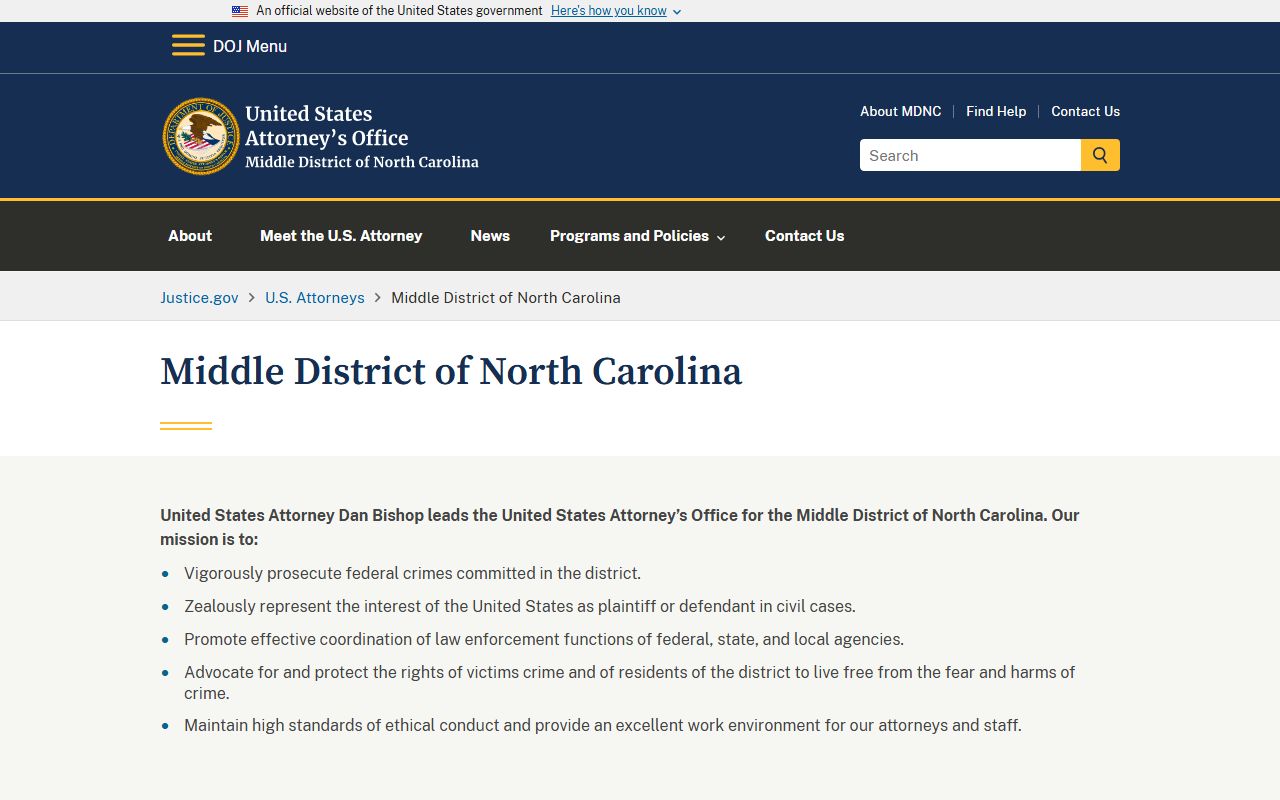
Federal prosecutions follow a different court system, so state Portal results should not be treated as a complete federal criminal search.
Sealed and Expunged Criminal Records
Sealed and expunged records are not the same. A sealed record is closed from ordinary public access by law or court order. An expunged record is removed, sealed, destroyed, or treated under the applicable expunction statute so that public access is narrowed in a more formal way. North Carolina has multiple expunction statutes rather than a single universal rule.
| Point | Sealed | Expunged |
|---|---|---|
| Public View | Hidden or limited by statute or court order. | Removed or sealed under an expunction order when eligible. |
| How It Happens | Confidential case type, court order, or legal restriction. | Petition and order under the correct North Carolina expunction statute. |
| Examples | Juvenile, mental health, adoption, or sealed criminal filings. | Eligible dismissed charges, not-guilty results, or certain nonviolent convictions. |
| Portal Effect | May be absent or partly hidden from public view. | Should not be treated as searchable proof after the order is processed. |
The Judicial Branch expunctions help topic explains the state process and links to petition forms.
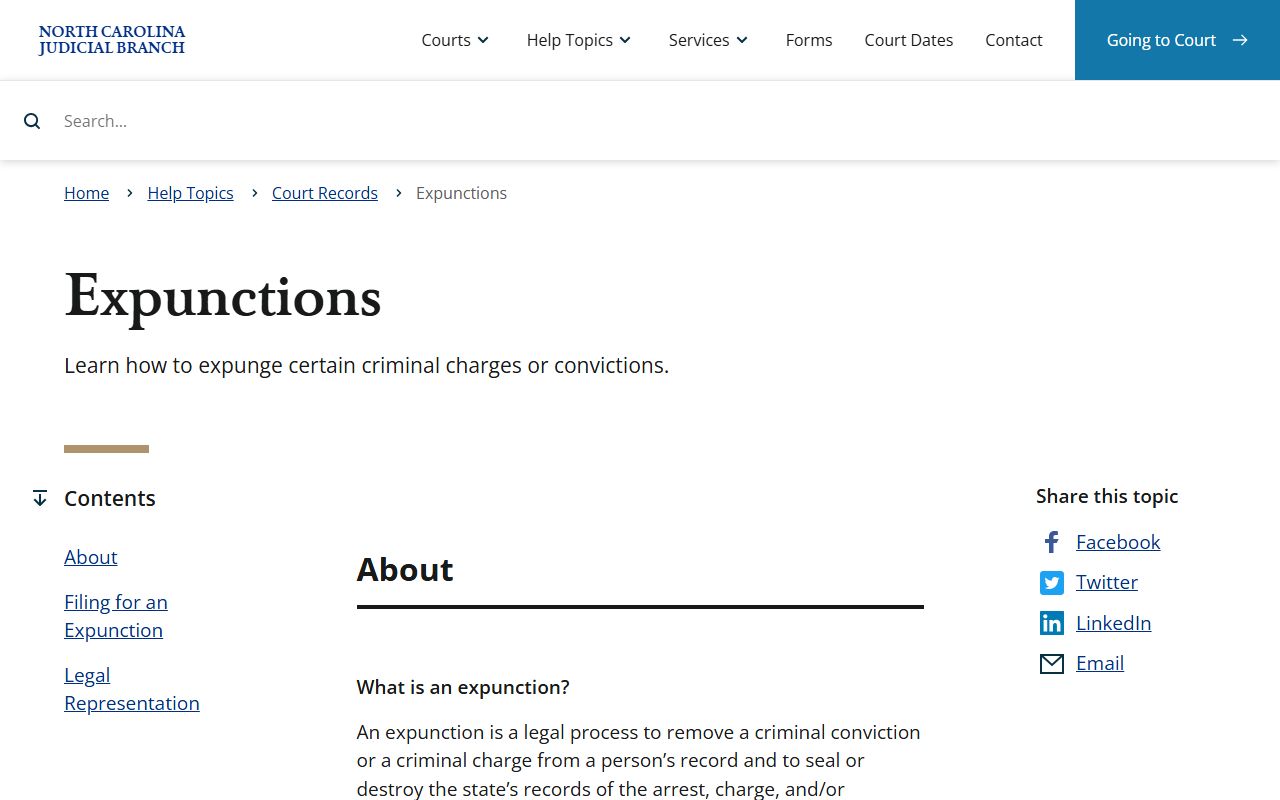
Expunction depends on the exact charge, disposition, waiting period, prior record, and statutory exclusions, so a Portal search alone cannot answer eligibility.
Restricted Caswell Criminal Records
Juvenile delinquency, undisciplined, abuse, neglect, and dependency records are restricted under Chapter 7B and should not be described as ordinary public adult criminal records. Adoption and certain mental health records are also confidential. Confidential audio-recording requests require the proper Judicial Branch form and court permission.
The Chapter 7B juvenile law source is the controlling reference for juvenile confidentiality.
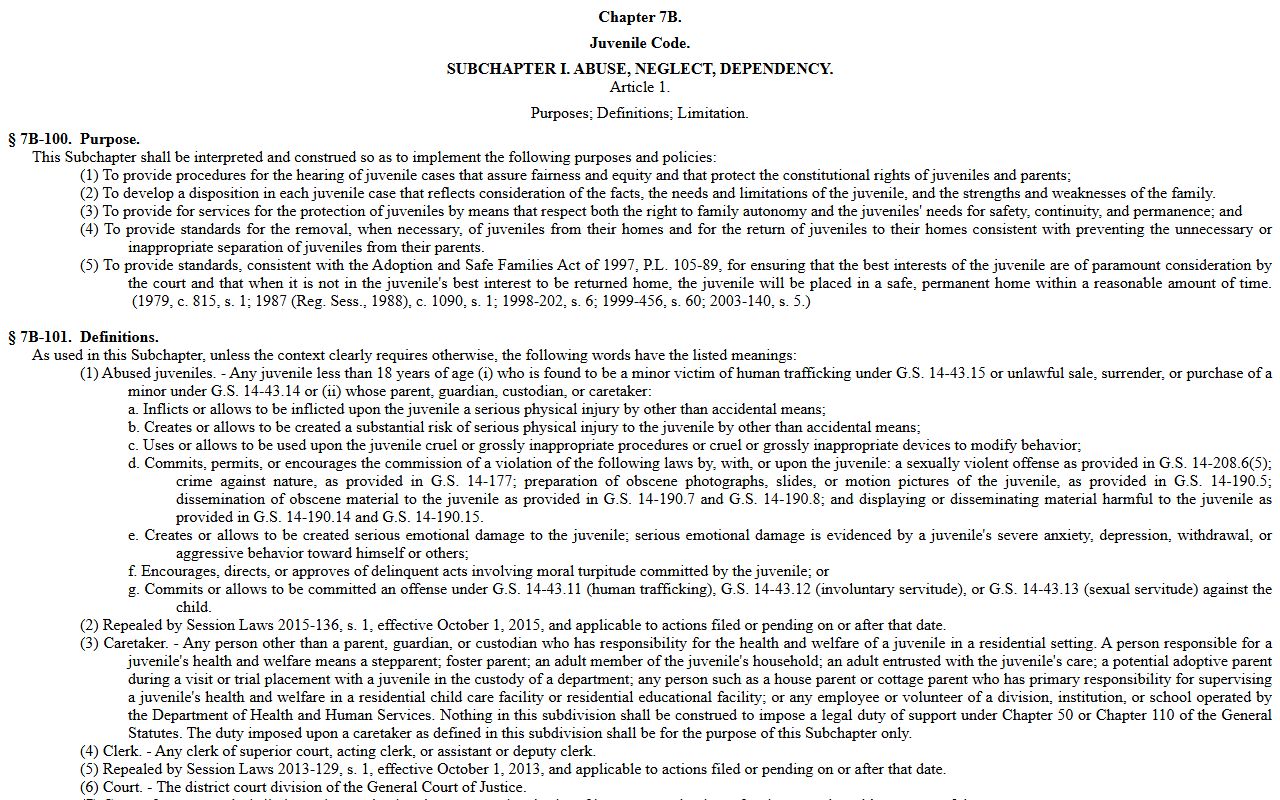
That restriction is why juvenile court entries should not be searched or described the same way as adult criminal court records.
North Carolina Expunction Statutes
Chapter 15A, Article 5 contains North Carolina's main expunction statutes for different categories of charges and convictions.
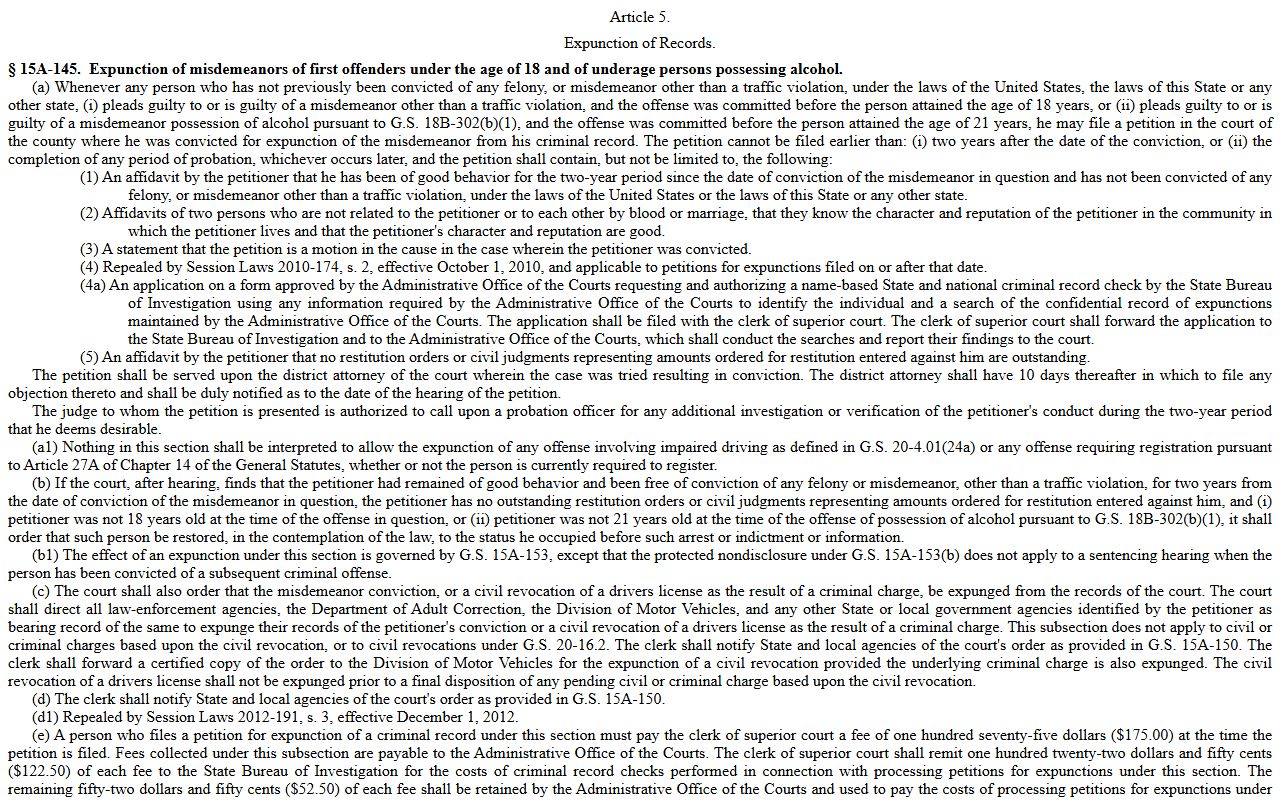
The statute article is useful for identifying the correct petition category before a person files in the county where the charge or conviction occurred.
Appeals and Federal Criminal Records
A misdemeanor conviction in District Court may be appealed to Superior Court for a new trial. A Superior Court conviction can move to the North Carolina Court of Appeals unless a statute routes it differently. Some cases may later reach the Supreme Court of North Carolina. Federal criminal records are separate and are handled through federal courts and PACER rather than the North Carolina eCourts Portal.
The U.S. Court of Appeals for the Fourth Circuit is the federal appellate court for federal cases from North Carolina.
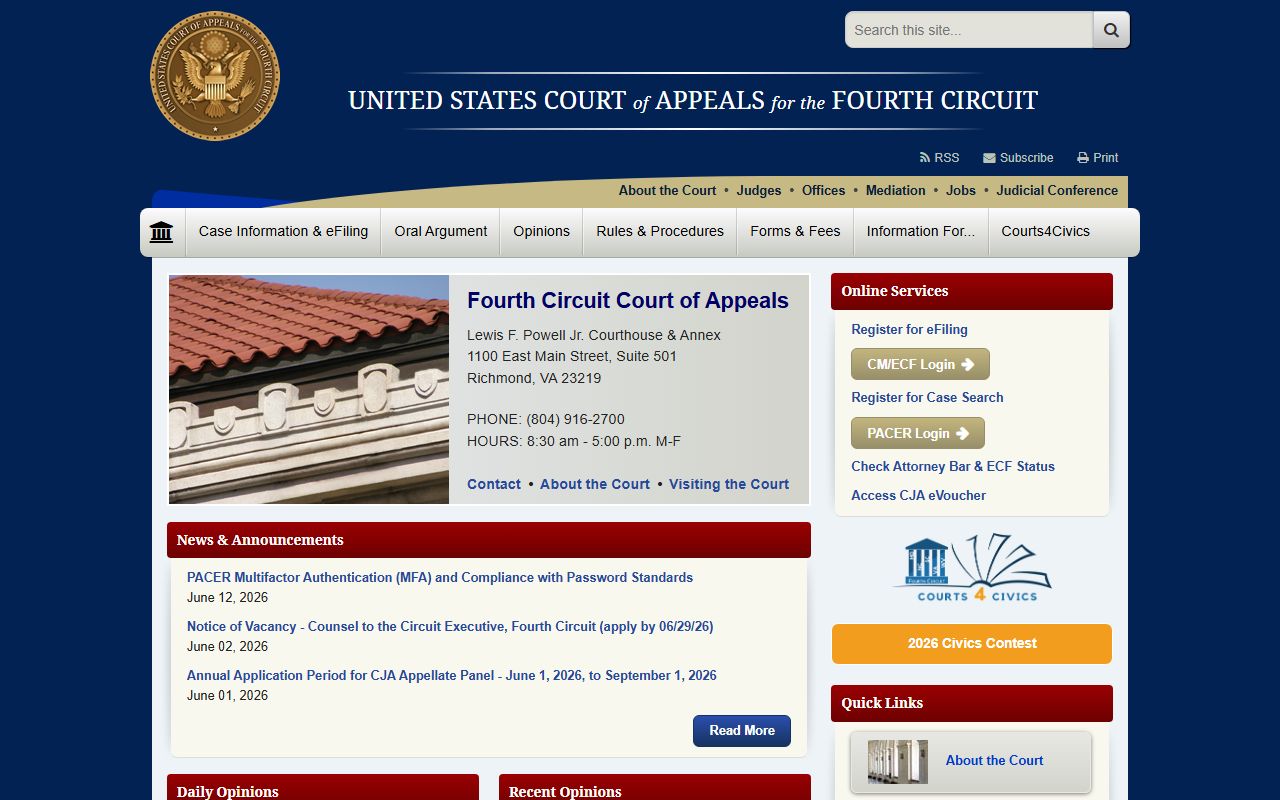
That federal appellate path is distinct from Caswell County criminal court records in the North Carolina trial court system.